Key takeaways
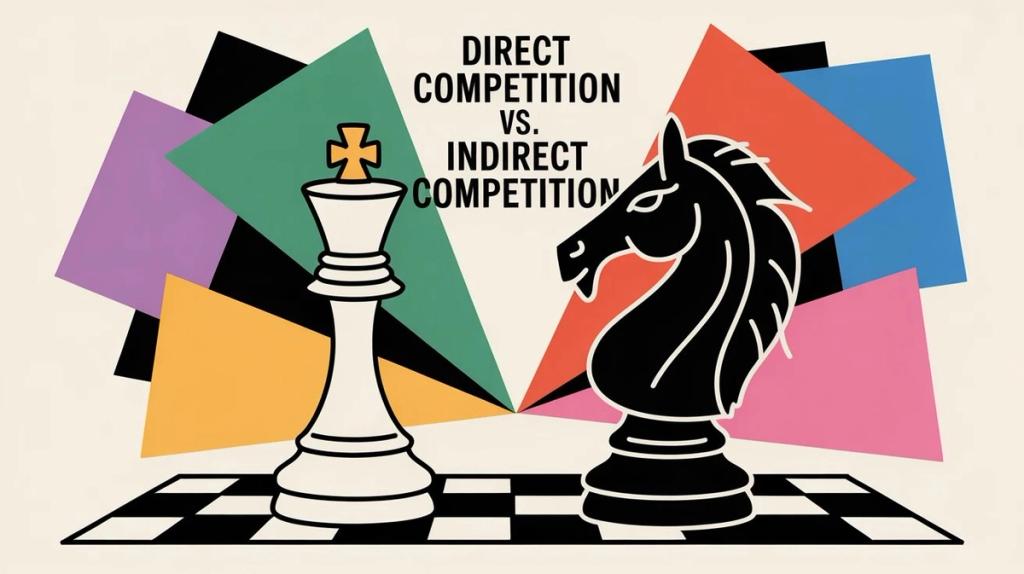
- Direct competitors sell nearly the same product to the same customers, like Coca-Cola and Pepsi.
- Indirect competitors meet the same customer need with a different product, like Netflix and movie theaters.
- Direct competition shows up as price wars, feature races, rising ad costs and zero-sum fights for market share.
- Indirect competition is easy to miss until it changes what customers expect. Blockbuster and taxi companies are examples of businesses hurt by it.
- Beat direct rivals with a clear value proposition, better quality and service. Handle indirect rivals by focusing on the core customer need and watching wider market trends.
Ask an AI about this article
Your biggest competitor might not be who you think.
Most businesses obsess over direct rivals. The other burger joint down the street. The SaaS tool with similar features. The brand stealing your Google rankings.
But while you're watching them, an indirect competitor could be quietly pulling customers away with a completely different solution to the same problem.
Understanding the difference between direct and indirect competition isn't just useful. It's essential for survival in 2025's market.

What Is Direct Competition? (Definition and Examples)
Direct competition happens when businesses sell nearly identical products or services to the same target customers. Studies show these rivals compete head-to-head on price, features, quality, and brand positioning because they're solving the exact same problem in the exact same way.
Think about it this way: if a customer walks into your store and then walks into your competitor's store, and both of you can solve their problem with basically the same solution, that's direct competition.
Classic Examples of Direct Competitors
• Coca-Cola vs Pepsi
Both sell cola soft drinks to the same thirsty consumers
• McDonald's vs Burger King
Fast food chains competing for the same hungry customers with similar menus
• H&M vs Zara
Fashion retailers targeting budget-conscious shoppers who want trendy clothes
• iPhone vs Samsung Galaxy
Smartphones competing on features, ecosystem, and brand loyalty
In each case, the products are functionally interchangeable. A customer choosing between them is making a direct comparison.

Why Direct Competition Matters for Your Business
Direct rivals create immediate pressure on your business. When Competitor A drops their price by 10%, Competitor B feels it instantly in their sales numbers. When one launches a new feature, the other scrambles to match it.
This creates several challenges:
Price wars that erode everyone's margins. Research indicates direct competition often leads to aggressive pricing tactics that benefit customers but squeeze profitability.
Increased marketing spend to defend your position. You can't let competitors out-advertise you when you're fighting for the same customers.
Faster innovation cycles because standing still means falling behind. If your direct competitor ships monthly updates, you need to keep pace.
The good news? Direct competitors are usually obvious. You know who they are. They show up in the same search results, the same marketplaces, the same industry reports. That visibility makes them easier to monitor and counter.
What Is Indirect Competition? (Definition and How It Works)
Indirect competition comes from businesses offering different products that satisfy the same underlying customer need. According to competitive intelligence experts, these alternatives solve the core problem through a completely different approach.
The key word here is need, not product.
A small café doesn't just compete with other cafés (direct). It also competes with:
• Grocery stores selling bottled coffee drinks
• Home espresso machines
• Energy drinks providing the same caffeine boost
• Even tea shops addressing the "morning beverage" ritual
All of these satisfy similar customer needs (energy, routine, taste) through different products.
Real-World Examples of Indirect Competition
Fitness industry:
A gym's indirect competitors include yoga studios, running apps, home workout equipment, and even diet programs. They all compete for the customer's "get healthier" dollars and time.
Entertainment:
A movie theater competes indirectly with Netflix, video games, concerts, sporting events, and even restaurants. They're all fighting for leisure time and entertainment budgets.
Transportation:
Taxis, rideshare apps, public transit, bicycles, scooters, and car ownership all compete to solve the "get from A to B" problem.

Why Ignoring Indirect Competition Is Dangerous
Here's what makes indirect competition dangerous: it's easy to miss until it's too late.
These competitors don't look like you. They don't show up in your category searches. They might operate in completely different industries.
But they're absolutely stealing your customers.
Studies have shown that ignoring indirect competitors can cripple growth. You'll wonder why revenue is declining even though you're beating your direct rivals, not realizing customers found a better alternative you weren't watching.
Direct Competition vs Indirect Competition: Key Differences Explained
Let's break down the critical distinctions:
| Factor | Direct Competition | Indirect Competition |
|---|---|---|
| Product Similarity | Nearly identical products/services | Different products, same outcome |
| Target Market | Exact same customer base | Similar needs, different approach |
| Competition Focus | Features, price, brand | Convenience, outcomes, alternatives |
| Visibility | Easy to identify | Often hidden until impactful |
| Customer Decision | "Which brand?" | "Which solution?" |
Product Similarity
Direct competitors sell essentially the same thing. Adidas and Nike both make athletic shoes. Stripe and PayPal both process payments.
Indirect competitors use different products to meet the need. An Apple Watch and Nike running shoes both serve someone's fitness goals, but through completely different products.
Target Market Approach
Direct competitors fight for the identical customer. They know their prospect is choosing between Option A (them) and Option B (the rival).
Indirect competitors might attract the same type of person, but with a different value proposition. Research shows they target similar audiences but position themselves as alternative solutions, not direct substitutes.
How Competition Manifests
With direct competitors, the battle is usually about who does this specific thing better. Better features, lower price, stronger brand.
With indirect competitors, it's about which type of solution the customer prefers. Do you want to go to a gym or work out at home? Do you want to order takeout or cook with a meal kit?
Visibility in the Market
Direct competitors are in your face. You see their ads. You compare your features to theirs. Customers mention them in sales calls.
Indirect competitors operate in the shadows. Marketing research from 2025 found that indirect competitors "increase your costs, steal clicks, and shape your customer's expectations without ever bidding on your keywords."
That's what makes them dangerous.
How Direct Competition Impacts Your Business (5 Critical Effects)
When you have strong direct competitors, you'll feel it immediately in several ways:
1. Pricing Pressure and Margin Erosion
Direct rivals can force you into price wars. If they drop prices, you risk losing customers unless you match or justify your premium through other value.
This is why you see constant promotions in industries with fierce direct competition. Airlines, telecom providers, fast food chains all engage in this because they know customers compare prices directly.
2. Feature Arms Race and Innovation Pressure
If your competitor launches a popular feature, customers will ask why you don't have it. This drives continuous innovation, which can be good for the market but exhausting for businesses.
The smartphone industry exemplifies this. Every new iPhone feature gets scrutinized by Samsung, and vice versa. Camera quality, battery life, screen tech all advance through this competitive pressure.
3. Marketing Battles and Rising Ad Costs
You end up spending more on advertising just to stay visible. When competitors increase their marketing spend, you often have to match it or lose mindshare.
Think about the "cola wars" between Coca-Cola and Pepsi. Both spend billions annually on marketing, not because it's the most efficient use of capital, but because letting the other dominate the conversation means losing sales.
4. Zero-Sum Market Share Dynamics
Business research confirms that direct competition often creates zero-sum scenarios. When one direct competitor gains a customer, another typically loses one.
The total market size might stay relatively stable, with companies just trading customers back and forth based on who executed better that quarter.
5. Customer Loyalty Becomes Critical
With direct competition, the companies that build the strongest customer loyalty win. Because products are similar, emotional connection and brand trust become the differentiators.
This is why Apple can charge premium prices despite Android phones offering similar features. They've built loyalty that transcends direct feature comparison.

How Indirect Competition Shapes Your Market Position
Indirect competition works differently. It's less about immediate market share battles and more about gradual shifts in customer behavior.
Changing Customer Preferences
Indirect competitors can fundamentally alter what customers expect and want.
Research indicates that in the media industry, for instance, streaming services didn't just compete with cable TV. They changed how people think about entertainment, shifting from scheduled programming to on-demand everything.
Now, even cable companies have had to adapt to those new expectations.
Market Expansion or Contraction
Sometimes indirect competition expands the total market by bringing in new customer segments. YouTube workout videos brought fitness to people who never would have joined a gym, expanding the overall "fitness market."
Other times, it contracts your specific segment by offering such a compelling alternative that customers leave entirely. E-books didn't expand the reading market; they shifted existing readers away from physical books.
Unpredictable Competitive Moves
Direct competitors follow predictable patterns. They attend the same conferences, face the same regulations, operate with similar business models.
Indirect competitors come from left field. Studies show they often emerge from adjacent industries with different playbooks, making their moves harder to anticipate.
Taxi companies didn't predict Uber because they were watching other taxi companies. The threat came from the tech industry.
Opportunities for Collaboration
Interestingly, indirect competition sometimes creates partnership opportunities.
A coffee shop and a bookstore are indirect competitors for people's leisure time and disposable income. But they can partner to create a café-bookstore experience that attracts both customer bases and creates something neither could do alone.
Business strategists note that strategic alliances with businesses solving similar problems differently can create win-win scenarios.
How to Beat Direct Competitors (6 Proven Strategies)
Facing direct competitors requires sharp execution and clear differentiation. Here's how to stand out:
1. Define Your Unique Value Proposition
When products are similar, you need crystal-clear differentiation. What makes your solution better for your specific target customer?
Marketing research shows that competing on value rather than just price creates more sustainable advantages.
Maybe it's superior customer service. Maybe it's a niche focus on a specific industry. Maybe it's better integration with other tools your customers use.
One company selling umbrellas carved out a premium position by using 100% recycled materials. They acknowledged everyone sells umbrellas, so they built differentiation around sustainability and quality.
2. Conduct Continuous Competitor Analysis
Make competitor research an ongoing discipline, not a one-time project.
What to track:
→ Product changes and new feature launches
→ Pricing adjustments and promotional strategies
→ Customer reviews and complaints (these reveal weaknesses)
→ Marketing messages and positioning shifts
→ Leadership changes and strategic announcements
Use SWOT analysis to map each rival's strengths and weaknesses relative to yours. If a competitor consistently gets complaints about slow support, that's your opportunity to excel on responsiveness and advertise it.
3. Excel on Product Quality and Innovation
The most sustainable way to beat direct competitors is to simply offer a better solution.
Invest in product development. Listen to customer feedback. Fill the gaps competitors have left open.
Business studies confirm that companies focusing on continuous innovation maintain competitive advantages even when rivals try to copy them, because they're always a step ahead.
4. Build Strong Brand Loyalty
When products are similar, brand loyalty becomes the tiebreaker.
Create an emotional connection with your audience. Tell a compelling story. Build a community around your brand.
Tactics that work:
① Loyalty programs that reward repeat customers
② Personalized engagement based on customer data
③ Community features that make customers feel part of something
④ Consistent brand voice and values that resonate
If customers feel connected to your brand, a competitor's coupon won't be enough to lure them away.
5. Compete on Total Value, Not Just Price
Racing to the bottom on price rarely works long-term. Instead, emphasize the complete value package.
Better durability. More convenience. Superior warranty. Exceptional support. Easier implementation.
Customers will often pay more if they believe they're getting superior overall value. By shifting the conversation from price to value, you avoid commoditization.
6. Deliver Exceptional Customer Experience
Great service can differentiate you when products are similar.
Respond faster. Be more helpful. Go the extra mile. Make your return policy generous. Train your support team to solve problems, not just field tickets.
Zappos built their entire competitive advantage in online shoe retail on customer service, even though they sold the same shoes as everyone else.
How to Navigate Indirect Competition (5 Essential Strategies)
Indirect competition requires different tactics because you're not fighting the same battle:
1. Understand the Core Customer Need
Step back from what you sell and focus on what problem you solve.
If you sell project management software, the core need isn't "software." It's "organize work effectively" or "improve team productivity."
Once you understand that fundamental need, you can see all the indirect ways customers might address it:
• Spreadsheets
• Email and to-do lists
• Whiteboards and sticky notes
• Hiring a project manager
• Better meetings and communication
Strategic research shows that companies focusing on the underlying job-to-be-done, rather than just their product category, spot indirect threats and opportunities earlier.
2. Monitor Broader Market Trends
Look beyond your immediate industry. What's changing in adjacent markets? What new technologies are emerging? What are customers getting excited about?
If you run a hotel chain, watch trends in Airbnb and the sharing economy. If you're a taxi company (in a time machine back to 2010), pay attention to smartphone adoption and app usage.
Businesses that adapt early to macro trends can turn potential threats into opportunities.
3. Form Strategic Partnerships
Since indirect competitors aren't direct threats, partnership possibilities emerge.
A gym and a healthy meal delivery service are indirect competitors for wellness spending. But they could partner to offer a combined package that helps both businesses capture more of the customer's "get healthy" journey.
Business strategists emphasize that collaborative approaches with complementary businesses can strengthen both parties against other alternatives.
4. Diversify Your Offerings Strategically
Consider expanding your product line to address the broader customer need more completely.
This doesn't mean random diversification. It means thoughtful adjacencies that keep customers in your ecosystem.
Coffee shops started selling breakfast food when they realized they competed with fast-food drive-thrus for the "quick morning meal" crowd. By adding food, they captured a larger share of that customer's solution.
Many software companies integrate multiple features (messaging, calendar, tasks) because they know customers will use something to solve those needs. Better to keep them in your product than lose them to separate tools.
5. Educate Customers on Your Advantages
Since indirect competitors offer different solutions, you have an opportunity to educate customers about why your approach is superior.
Create comparison content. Publish guides. Run webinars that demonstrate outcomes.
A travel agency might create content comparing "Traditional Vacation Packages vs Cruises" that educates customers while subtly highlighting where their approach excels.
By shaping the narrative early, you make alternative solutions less attractive.
How to Identify Your Direct Competitors (Step-by-Step Guide)
Finding direct competitors is usually straightforward, but systematic research helps ensure you don't miss anyone:
| Method | What to Do | Why It Works |
|---|---|---|
| Search Online | Google your product keywords | See who ranks for same terms |
| Check Marketplaces | Browse Amazon, industry sites | Find top sellers in your category |
| Review Sites | Visit G2, Capterra, Trustpilot | Discover compared alternatives |
| Customer Interviews | Ask "What else did you consider?" | Get real competitive intel |
| Industry Events | Attend conferences, forums | Meet active market players |
Search Online and Check Marketplaces
Start with basic Google searches for your product keywords. Who appears in the top results?
If you sell products, check Amazon, eBay, or relevant marketplaces. Best-selling and highly-reviewed listings reveal your major competitors.
Wherever customers shop for solutions like yours, note who else shows up prominently.
Examine Industry Directories and Review Sites
Most industries have:
• Professional directories
• Review platforms (Yelp, G2, Capterra, Trustpilot)
• "Top 10" lists from bloggers and analysts
• Industry association member lists
These quickly surface the established players in your space.
Talk to Your Customers
This is a goldmine for competitive intel. Ask:
• "What other solutions did you consider before choosing us?"
• "What tools were you using before?"
• "Who else are you evaluating?"
Customers will often openly share which alternatives they compared. This firsthand information reveals competitors you might not have formally tracked.
Analyze Competitor Websites and Marketing
Once you identify potential competitors, deep-dive into their presence:
What to examine:
→ Product offerings and feature sets
→ Pricing structure and packaging
→ Marketing messages and positioning
→ Customer testimonials and case studies
→ Social media engagement and followers
→ Customer reviews (what do people love and hate?)
Sign up for their newsletters. Follow their social accounts. See what promotions they run.
Use Competitive Intelligence Tools
Digital tools can accelerate this research:
• SEMrush or Ahrefs (See which competitors rank for your target keywords)
• SimilarWeb (Estimate competitor web traffic and sources)
• Ad transparency tools (See which companies are bidding on similar keywords)
• LinkedIn ("Similar pages" feature suggests related companies)
These tools cast a wider net so you don't miss competitors who might not advertise heavily but still serve your target market.
Attend Industry Events and Communities
Trade shows, conferences, webinars, and online forums surface active players in your space.
Join Reddit communities, Facebook groups, or LinkedIn groups for your industry. Watch who gets mentioned when people ask for recommendations.
These conversations reveal the real-world competitive landscape as customers experience it.
By combining these methods, create a comprehensive list of direct competitors. Build a comparison matrix showing features, pricing, and differentiators side by side.
Keep this updated as new competitors emerge and existing ones evolve.
How to Identify Indirect Competitors (Complete Framework)
Finding indirect competitors requires thinking like your customer and considering all the alternatives they have:
Define the Core Problem or "Job to Be Done"
Clearly articulate the fundamental need your product fulfills. Ask: "If my product didn't exist, what would customers do instead?"
For a language learning app, the core need is "become fluent in a new language." Indirect competitors include:
• Private tutors
• Phrasebooks and dictionaries
• YouTube language lessons
• Language exchange communities
• Immersion travel
Strategic frameworks suggest thinking about what job the customer "hires" your product to do, then listing everything else they might hire for that job.
Map Out Alternative Solutions
Once you know the core need, brainstorm different solution categories:
For a coffee shop (need: morning caffeine/breakfast):
• Make coffee at home
• Buy canned/bottled coffee
• Convenience store coffee
• Energy drinks
• Tea shops
• Breakfast restaurants
For each category, identify specific popular alternatives. Red Bull indirectly competes with Starbucks for morning energy, even though one is a drink and one is an experience.
Leverage Customer Insights Directly
Ask open-ended questions:
• "What do you use when you're not using our product?"
• "How else do you accomplish [this goal]?"
• "What other ways have you tried to solve this problem?"
Their answers reveal indirect competition. A language app user might say they also watch foreign movies with subtitles on Netflix. That insight identifies Netflix as an indirect competitor for language-learning hours.
Observe Consumer Behavior Broadly
Pay attention to trends in how your target demographic spends time and money.
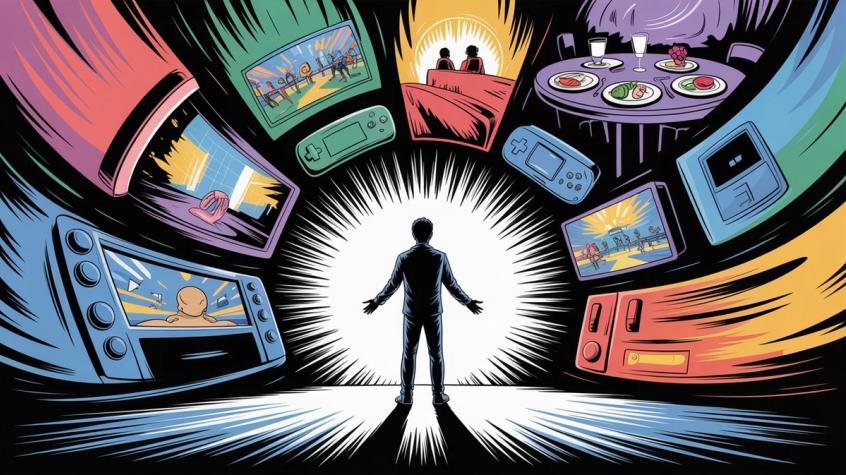
If you run movie theaters, note the rise of:
• Video game usage
• Streaming binge habits
• Outdoor concerts and festivals
• Restaurant experiences
All activities competing for the same "entertainment time and money."
Market research reports and social media trends hint at where customers are directing attention and spending.
Use Web Tools to Find Audience Overlaps
SimilarWeb can show what other sites your visitors frequent. If people visiting your website also often visit an unrelated site, that might indicate an indirect competitor.
Social media listening helps too. Monitor relevant hashtags and see what else those users discuss. Maybe people using #budgettravel also frequently mention Netflix, indicating streaming competes with travel for leisure time.
Amazon's "Customers also bought" and LinkedIn's "Similar Pages" surface products and services that, while different from yours, attract the same audience.
Conduct Broad Keyword Research
Look beyond direct product terms. If you sell noise-canceling headphones, don't just research "best headphones."
Also search:
• "How to focus in noisy office"
• "Quiet workspace solutions"
• "Productivity in open offices"
You'll find content about white-noise machines, productivity apps, and office layout strategies. These represent indirect competition for solving the "focus in noise" problem.
Once you identify indirect competitors, analyze why customers choose those alternatives. Is it cost? Convenience? Habit? Social proof?
Understanding this helps you adapt. A gym learning that a big indirect competitor is "running outdoors" (cheaper, more freedom) might start offering free outdoor bootcamp sessions to recapture that audience.
Lessons from Businesses That Ignored Indirect Competition (Case Studies)
History shows how dangerous it is to ignore indirect competitors. Several famous companies fell because they focused only on direct rivals:
Blockbuster vs Netflix: How Indirect Competition Destroyed an Industry Leader
Throughout the 1990s and early 2000s, Blockbuster competed with other video rental stores. They fought on store locations, DVD selection, and late fee policies.
Netflix launched in 1997 with a mail-order DVD service (later streaming), an indirect approach to the same "home entertainment" need.
Research on this case shows many at Blockbuster didn't view Netflix as serious competition initially because it was a different model.
We know how this ended. Netflix's convenient solution satisfied the same desire to watch movies at home. Blockbuster, despite once being the industry giant, went bankrupt by 2010.
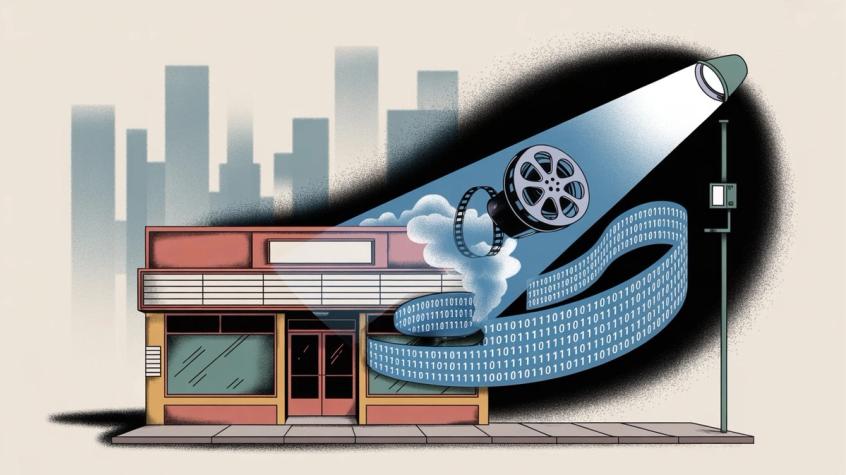
The lesson: An indirect competitor with a better delivery model can completely upend an industry.
Traditional Bookstores vs Amazon: E-Commerce Disruption
Local bookstores worried about other bookstores in town. They differentiated on location, selection, and atmosphere.
Amazon entered the mid-1990s selling books online, a very different channel. Many bookstores underestimated this indirect competition, thinking people would always prefer browsing physical shelves.
Amazon not only captured huge book sales with convenience and discounts, it transformed reading with e-books (Kindle) and on-demand purchasing.
Business analysts note that traditional bookstores failing to adapt found their customer base shrinking dramatically. Amazon's indirect approach became the dominant force.
Taxis vs Rideshare Apps: Technology Platform Disruption
Taxi companies operated in regulated environments, competing mostly with each other and perhaps public transit.
Uber and Lyft introduced a different model using smartphones and private drivers. An indirect approach to solving "get from A to B."
Many taxi businesses initially ignored or dismissed these apps. The ones that didn't adapt or modernize regulations quickly lost massive market share.
In some cities, taxi medallion values (permits to operate) plummeted by over 80% once rideshare gained popularity.
The pattern: A tech platform fulfilled the same transportation need differently and disrupted an entire industry.
Fast Food vs Health Trends: Consumer Preference Shifts
Fast food chains historically competed with each other on taste, price, and speed.
Recently, an indirect competitor emerged: the shift toward healthier eating and fresh, local food. This manifested in salad chains, smoothie bars, and meal prep kits.
Companies watching only other burger chains missed customers defecting to alternatives perceived as healthier.
This forced major chains to add healthier menu options and market them, essentially adapting because indirect competitive pressure (health consciousness) started eroding their base.
The Common Thread: Why Companies Fail to See Indirect Threats
Business research confirms that ignoring indirect competitors can cripple businesses. These threats often come with:
• New technology
• Social changes
• Shifts in consumer priorities
The downside includes lost opportunities, gradual customer erosion, and market disruptions you didn't see coming.
As one advisor put it, focusing only on obvious competitors while missing indirect threats from new entrants is a dangerous mistake.
The solution: Stay vigilant and curious. Regularly ask "what if?" questions: What if people no longer needed my product? What if new technology made my offering obsolete? What would customers do instead?
This scenario planning helps spot indirect competition early so you can adapt rather than react too late.

Managing Customer Messaging Competition in E-commerce
Speaking of adapting to competition, let's talk about customer messaging and engagement, where both direct and indirect competition are fierce.
If you're managing customer conversations across WhatsApp, Instagram DM, Facebook Messenger, and live chat, you're facing competition from multiple angles:
Direct competitors: Other messaging automation platforms trying to win your business
Indirect competitors: Everything from email tools to hiring more support staff to ignoring customer messages altogether
The challenge is handling high message volume without letting important conversations slip through the cracks.
How Modern Messaging Platforms Address This
Modern multi-channel AI messaging platforms have emerged as essential tools for customer support automation and engagement across the channels that actually matter to businesses.
Here's what sets effective chatbot platforms apart:
• Actionable AI Agents
Not just Q&A bots. Advanced platforms can track orders, update records, book appointments, and take real actions in your systems. This goes beyond answering FAQs to actually solving customer problems through chatbots for ecommerce.
• Knowledge Base Training
Modern solutions let you train AI on your own data, including business documentation, product information, and FAQs. The agent learns your specific context, not generic responses.
• Unified Inbox
Effective customer communication platforms manage all channels from one shared inbox. Your team sees all conversations in one place, with full context, improving customer communication management.
• Visual Automation Builder
The best tools create sophisticated conversation flows without coding. Build automated campaigns and complex logic with no-code automation tools that save time and resources.
• Seamless Human Handoff
AI handles the repetitive 60-80% of queries. Complex issues route smoothly to human agents with full conversation context using chatbot-to-human handoff systems.
Why This Matters for Competition
From a competitive standpoint, modern messaging platforms help you win against both direct and indirect threats:
Against direct competitors (other messaging platforms): Actionable AI and knowledge base training set advanced platforms apart from simpler chatbot tools. Plus, unified approaches mean you don't need separate tools for each channel.
Against indirect competitors (hiring more staff, using basic email, or overwhelmed manual processes): Automating customer service allows you to scale customer engagement without proportionally scaling costs.
For e-commerce businesses, modern platforms handle automated order processing, cart abandonment solutions, and customer inquiries automatically, creating significant competitive advantages.
Explore how customer service automation with actionable AI can help you handle customer messaging competition more effectively.
How to Balance Both Types of Competition in Your Strategy
A complete competitive strategy accounts for both direct and indirect competitors. Here's how to balance your attention:
Segment Your Analysis
Maintain two lists:
Direct Competitors List:
| Track | Why It Matters |
|---|---|
| Feature comparisons | Know where you stand |
| Pricing tracking | Stay competitive |
| Tactical moves | Respond quickly |
| Marketing messages | Understand positioning |
Indirect Competitors List:
| Track | Why It Matters |
|---|---|
| Why customers choose them | Understand appeal |
| What needs they fulfill | See alternatives |
| Broader trends | Spot disruption early |
| Behavior shifts | Adapt proactively |
This ensures you're not comparing apples to oranges. You might assign different team members to monitor each category.
Review and Update Regularly
The competitive landscape constantly evolves. Set a schedule (quarterly or biannually) to review both lists.
Update findings as:
• New startups emerge as direct competitors
• Social media trends create indirect competitive forces
• Customer preferences shift
• Technology introduces new alternatives
Entrepreneurship research emphasizes that competitive analysis should be ongoing, not one-and-done, because markets evolve rapidly.
Use Competitive Insights to Drive Innovation
View competition as inspiration, not just threat.
For direct competitors, ask: What are they doing that customers love? How can we do it differently or better?
For indirect competitors, ask: What do customers find appealing about that alternative? Can we incorporate aspects of it?
Many retailers learned from e-commerce convenience (indirect competition) and introduced buy-online-pickup-in-store to blend the best of both worlds.
Stay Customer-Centric
Ultimately, understanding competition through your customer's lens guides you correctly.
Continuously gather customer feedback. Conduct user research. If you understand why customers choose competitors (direct or indirect), you have the key to your counter-strategy.
Maybe customers mention they love a competitor's convenience, or they wish you had a feature someone else offers. These insights are invaluable.
They ensure your moves actually address real competitive pressure as customers experience it.
Foster a Culture of Agility
Make sure your team isn't fixated only on known competition. Encourage curiosity where employees can say, "Have you noticed people doing X instead of using our product?"
When Blockbuster's leadership dismissed streaming as niche, that was a cultural failure. In contrast, Netflix famously considers sleep one of its biggest competitors (because when you're asleep, you're not watching Netflix).
While you don't have to go that far, instilling broad awareness helps you pivot quickly when needed.
Remember the Upside
Competition isn't just something to fear. It pushes you to improve and innovate, making your business stronger and customers happier.
Research shows healthy competition drives companies to offer better products, better prices, and better service.
It expands markets and spurs creative partnerships. The rivalry between Uber and Lyft forced both to continuously add features and promotions that benefited riders.
Meanwhile, indirect competition from bicycles and scooters led Uber to invest in bike-sharing, arguably making it more resilient long-term.
In a well-balanced strategy, you tackle direct rivals with fierce differentiation and operational excellence while keeping a visionary eye on the horizon for indirect threats and opportunities.
Companies managing this balance are usually the ones that not only survive competitive waves but set the pace of innovation in their industries.
Frequently Asked Questions
Direct competitors sell the same product to the same customers (like Coca-Cola vs Pepsi). Indirect competitors solve the same customer need through different products (like a movie theater vs Netflix). Direct competition is about choosing which brand, while indirect is about choosing which solution type.
Ask yourself: "Does this business satisfy the same fundamental customer need as mine, even if the product is completely different?" If someone might choose their solution instead of yours to accomplish the same goal, they're an indirect competitor.
Both pose risks, but indirect competition is often more dangerous because it's harder to spot. Many businesses focus exclusively on direct rivals and get blindsided by indirect threats (like Blockbuster vs Netflix). The companies that fail usually saw the direct competition but missed the indirect disruption.
You need both, but in different ways. Monitor direct competitors closely for tactical moves (pricing, features, marketing). Watch indirect competitors for strategic trends and shifts in customer behavior. Dedicate about 70% of competitive analysis to direct rivals and 30% to broader market trends and indirect threats.
Sometimes. A company might directly compete in one product category but indirectly compete in another. For example, Amazon is a direct competitor to other e-commerce platforms but an indirect competitor to physical bookstores (different channel, same need).
Review direct competitors monthly (since their tactical moves can affect you quickly) and indirect competitors quarterly (to spot emerging trends). Do a comprehensive analysis of both types every six months to ensure your strategy stays current.
For direct: SEMrush, Ahrefs, SimilarWeb, price monitoring tools. For indirect: Google Trends, social media listening tools, customer surveys, market research reports. Also, just talking to customers regularly reveals both types of competition they're considering.
For direct competitors, comparative marketing can work if done tactfully (showing why you're better without being negative). For indirect competitors, focus on educating customers about why your type of solution is superior for their needs, rather than calling out specific alternatives.
Small businesses often win by focusing on niches that larger direct competitors ignore and by being more agile than indirect competitors. Superior customer service, specialized expertise, and personal relationships can beat bigger competitors on both fronts.
The biggest mistake is only watching direct competitors. Companies that ignore indirect competition often get disrupted by alternatives they never saw coming. Always ask what else could satisfy your customer's core need, not just who else sells what you sell.
Want to automate customer messaging? Modern customer service automation platforms handle repetitive conversations while routing complex issues to your team. Explore chatbot best practices to see how actionable AI can help you manage customer engagement more effectively.
Was this article useful?